

Malaysia is entering a new phase of demographic change — and for many families, the impact is already being felt at home.
By 2025, Malaysians aged 65 and above make up 8.0% of the population, rising from 7.6% just a year earlier. More significantly, 12 states have already reached “ageing state” status. What was once seen as a future policy issue is now a present-day reality shaping how families live, care, and support one another.
Across the country, caregiving remains largely informal and family-driven. A daughter checks in after work. A son sends a quick WhatsApp message. The sibling living closest often becomes the default caregiver. Even in households with helpers, neighbours, or extended family nearby, the responsibility of ensuring Mum or Dad is okay usually rests on one person.
For a while, this system works — until it doesn’t.
As parents grow older, small uncertainties begin to surface. Did they wake up today? Have they eaten? Did they leave the house? Is that missed call something to worry about? For working adults in busy urban centres like Klang Valley, Penang, or Johor Bahru, caregiving often happens remotely, squeezed between meetings, school runs, traffic, and daily responsibilities.
This growing gap between care and certainty is where technology is starting to play a more meaningful role.
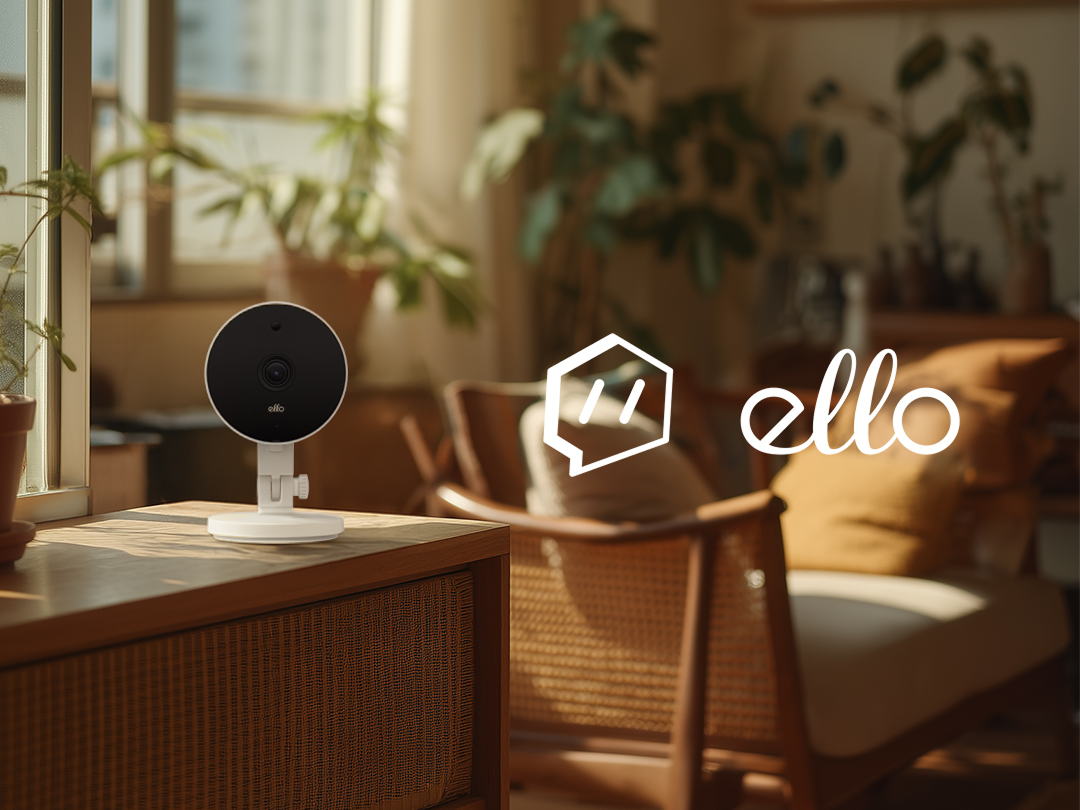
Hello Ello, a Singapore-based AI caregiving technology company, is expanding into Malaysia with its latest solution, Vision One. Designed specifically for families caring for ageing parents at home, Vision One is not a typical security camera. Paired with the ELLO App, it focuses on identifying critical situations — such as falls, fainting, wandering, smoke, or visible distress — and sends clear, easy-to-understand alerts within 60 seconds when attention is needed.
For Ivan Mun, Founder of Hello Ello, Malaysia represents a unique caregiving landscape. Older adults here often prefer to age in place, within the comfort of their own homes, while their children want to support them without making them feel monitored or controlled. The real challenge is not just detecting emergencies, but helping families respond confidently before concern turns into panic.
Unlike conventional smart cameras that trigger constant motion alerts, ELLO is designed to remain quiet unless something truly matters. Its Daily Summary feature provides a simple evening update on how a parent’s day went, giving family members peace of mind without the need to review hours of footage. Meanwhile, Ask ELLO allows caregivers to check in by asking straightforward questions, turning care into understanding rather than surveillance.
The expansion into Malaysia also highlights why the country is becoming an increasingly important market as ageing shifts from a distant concern to an immediate household reality. In a society where caregiving is deeply rooted in family responsibility, technology must be designed around how care actually happens — often across distances, shared among siblings, and balanced with demanding work schedules. This also brings into focus the limitations of traditional security cameras and wearables, which may not fully address the nuanced needs of monitoring elderly parents at home.
Solutions like Vision One and the ELLO App aim to bridge this gap by reducing the need for constant checking while still providing timely, meaningful insights. Features such as 60-second alerts, Daily Summary updates, and Ask ELLO are designed to give families clarity without overwhelming them with information. At the same time, considerations around privacy, dignity, and family trust remain essential, ensuring that technology supports care without making older adults feel observed or controlled.
As Malaysia continues to age, the question is no longer whether families need additional support. It is whether the solutions available are designed for how care genuinely happens at home.
